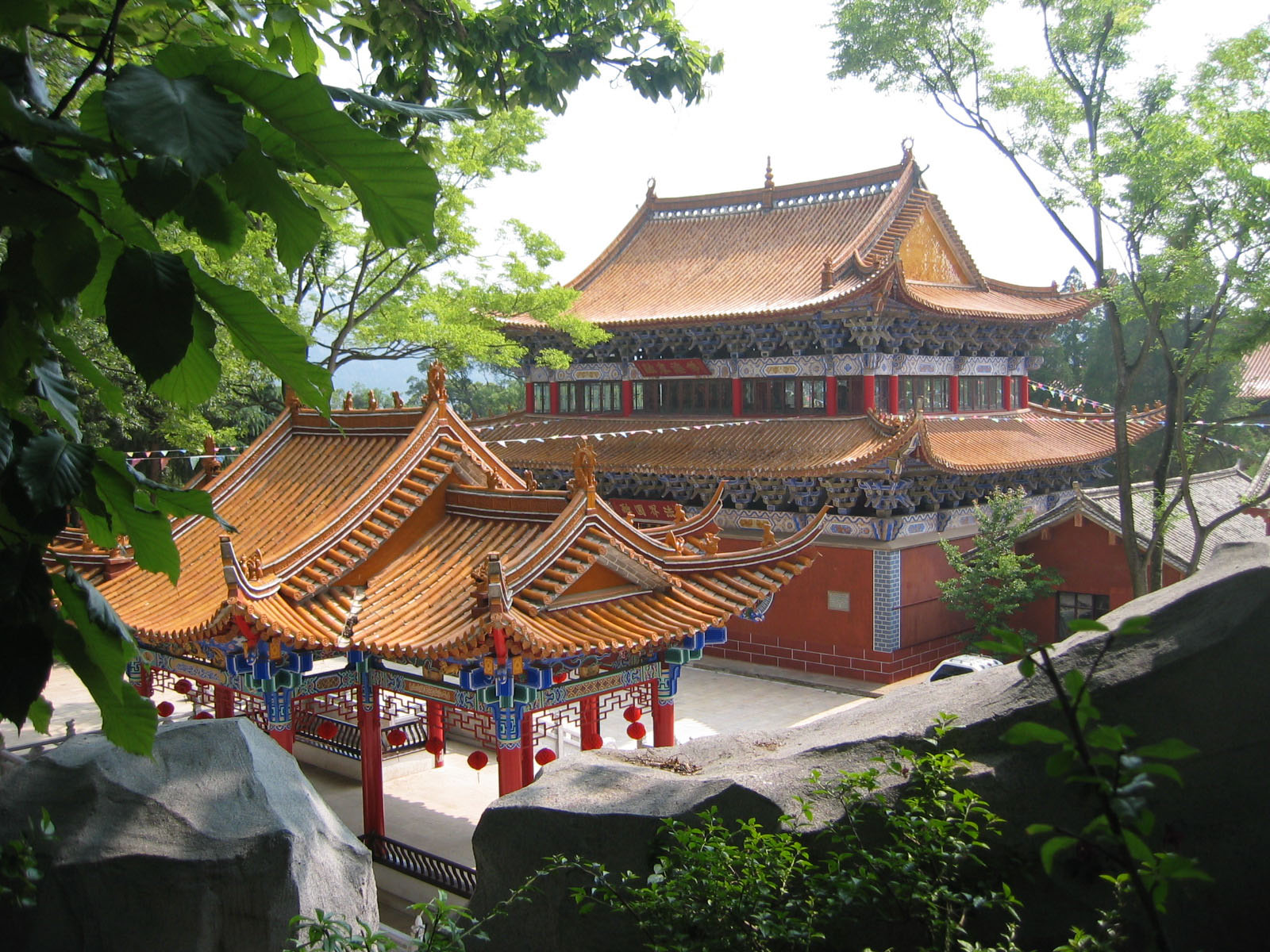
"A backpacker's paradise." That's what Dali is referred to as, and I fell for the hype. It's close to 10 p.m. I sit typing this on a ratty keyboard connected to a ratty computer in the MCA Guesthouse, the Internet user directly across the table from me blowing unfiltered cigarette smoke everywhere. Mosquitos are everywhere. In the distance, the latest Coldplay album is blasting on the speakers, and the foreigners are settling in for their late-night beers.
Back up a bit. How did we end up here?
Last night we caught the N982 train from Kunming to Dali. Those who know me know my famous Spring Festival train ride story, and my love-hate relationship with China's primary form of long-distance transportation (although buses are catching up fast). Kunming Station is actually more orderly than most train stations, and yet the lines were three columns deep, shuffling and pushing towards the door to the platform for our 10:30 p.m. Naturally, the last thing you want to worry about at the end of a long day is a headlong rush for a train, but Lisa, Jocelyn and I managed. Things got more amusing once we were on the train, for we were split up — I was in a compartment one door up, and Lisa and Jocelyn were bunked with two gregarious Beijing types who were laughing about the two funny foreigners in that offhandedly cutting way that northerners do. Soon they moved out — couldn't handle the English language, I suppose — and were replaced by a tour guide fluent in English named Jeff, who hailed from Kunming. He actually majored in education at Yunnan Normal University, but much preferred the roaming life, and interacting with visitors. In his tanktop undershirt, his slightly open mouth, and the way his glasses rode low on his nose, he reminded me of a student I knew a decade before — funny how people we meet seem to be alternate versions of folks we've known before. Perhaps there are only certain types, and we're fated to keep bumping into them.
Jeff provided some useful advice about places to see in Dali and Lijiang, our next two ports of call, and by this time it was 11 p.m., and time to sleep. Looking at Jeff, I also knew that he would be a snorer, and so I opted to retreat back to the compartment I had been assigned, where a woman occupant was complaining about the air conditioning — "Why is it on full blast in here, and every other compartment you can't feel anything? I'm going to freeze to death!" She had that wheedling tone that pushy Chinese women have that is all too familiar to my ears. Nevertheless, I hit the bed, scrunching my baggage to the end of it, and before I knew it, it was six in the morning, and we had reached Dali. Or so we thought.
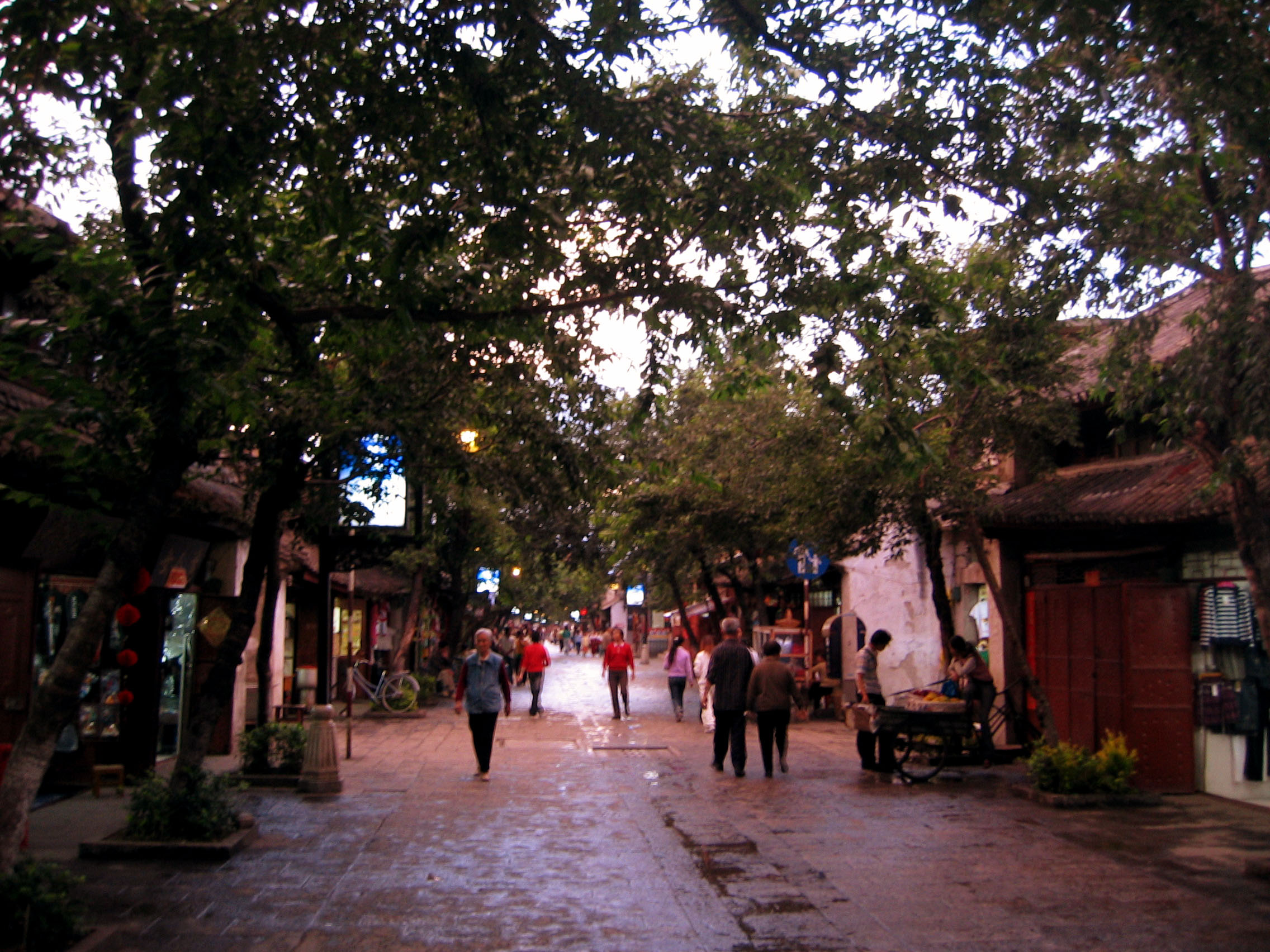
There's nothing like piling out of a train at six in the morning in an unfamiliar destination. It's a curious blend of sensory alert and numbed bemusement. Jocelyn hadn't been able to sleep at all (I knew it, Jeff was a snorer). A taxi driver accosted us, and informed us that we were actually in Xiaguan (which is about 18km south of Dali). Not the best thing to wake up to in the morning. Nevertheless, we had made a new friend, and the driver (named Mr. Zhong) drove us to the MCA Guesthouse, which was a nice, albeit shabby little courtyard hotel with winding steps, rental bikes with dysfunctional locks, and a triple room where humidity hung everywhere, like a wet towel. We grabbed some breakfast at the Bamboo Cafe in the heart of Dali Old City (which stretches for about half a mile in each direction, walled in by one of those refurbished Chinese walls that are manna for the tourists). I had banana and honey pancakes, Lisa had Yunnan ham, and Jocelyn had salty beef. That last dish would prove to be fateful.
How to describe Dali? It might have been a wonderful place once, but the tourist trade and rampant reconstruction have taken their toll. Now it's like a figment of the place it probably once was — the relaxed alleyways are overrun with tourist cafes serving Western food, stalls and shops overpricing the local arts and crafts, prefab architecture providing a sterile update to the original buildings, the streets clogged with tour groups from every province and country. Sure, you feel a certain comfort at seeing the Bob Marley cafe, or menus in recognizable English, but in other ways this town is no different from countless others that have been similarly consumed by their own mythology.